
Author: Muhammad Zain
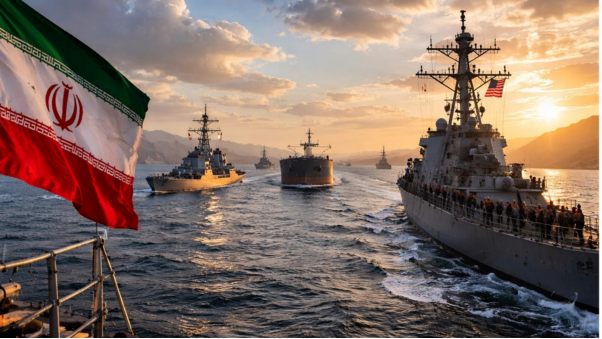
Washington DC , 21st April 2026 (GGPI): Tensions between the United States and Iran have intensified following the interception and seizure of an Iranian vessel identified as “Tosca,” according to statements released by U.S. officials during a recent press briefing.
A spokesperson from the U.S. Department of Defense stated that the vessel was attempting to breach a naval blockade when it was stopped. Officials claimed that multiple warnings were issued to the ship before any force was used. When the vessel allegedly failed to comply, U.S. naval forces opened fire and later took control of the ship. The spokesperson emphasized that the action was carried out in accordance with international law and was necessary to maintain regional stability.
However, Iranian authorities have strongly rejected these claims. In a press conference held in Tehran, senior officials condemned the incident, calling it a clear act of aggression. They argued that the vessel was a civilian ship operating lawfully and had every right to navigate the waters without interference. Iran has formally protested the action and warned that it reserves the right to respond.
The incident has raised serious concerns beyond the immediate political dispute. Global energy markets have reacted quickly, with oil prices showing a steady increase since the news broke. Experts believe that any disruption in the الخليج region, particularly near critical oil routes, can have a direct impact on global supply and pricing.
Market analysts note that uncertainty surrounding shipping routes, increased security risks, and the possibility of further escalation are key factors driving this upward trend in oil prices. If tensions continue to rise, the situation could lead to broader economic consequences affecting multiple countries.
Read More: The United States in a Shifting Global Order: Maintaining Hegemony Amid Rising Multipolarity
Legal experts have also begun debating the legitimacy of the operation. Questions are being raised about the enforcement of naval blockades, the use of force in international waters, and the rights of civilian vessels. These issues are likely to be discussed at international forums if the dispute escalates further.
Meanwhile, the international community has called for restraint from both sides. Several nations have urged diplomatic engagement to prevent the situation from worsening. While no immediate resolution appears in sight, efforts are ongoing to reduce tensions through dialogue.
As the situation develops, it remains a critical issue with potential global implications. Observers around the world are closely watching how both the United States and Iran respond in the coming days, as their actions could shape the future of regional stability and international trade.
Note: Image is AI generated and for reference
About the Author:
Muhammad Zain is a Geopolitical Analyst and BS International Relations Student at National University of Modern Languages, Rawalpindi, Research Focus: Geopolitics of Middle East