
Author: Akbar Aziz
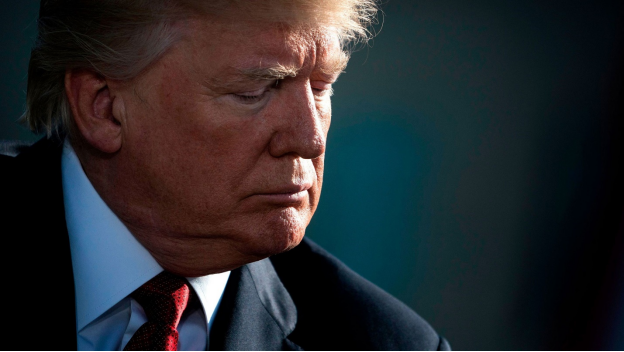
Washington DC, April 21, 2026 (GGPI): US President Donald Trump stated that it is still “highly unlikely” that the tenuous truce between the United States and Iran would be extended. At a time when diplomatic initiatives are failing to preserve stability in the face of persistent regional conflicts, his words could not be more timely.
Trump’s evaluation, according to recent remarks, represents a larger skepticism inside some American policy circles regarding Iran’s strategic aims. Increasingly, the ceasefire, which has momentarily put a halt to direct hostilities, is seen as a temporary solution rather than a route toward lasting peace.
Adding to the complication, former U. S. Army General David Petraeus said that a limited extension of the ceasefire may be the most likely result, even if both Washington and Tehran may prefer a negotiated resolution to end the conflict. He proposed a memorandum of understanding (MoU) as an interim mechanism that would allow both parties to keep talking without making any commitments to a full agreement.
Strategically speaking, the interplay between Realist and Liberal methods in international relations is highlighted by this situation. Trump’s viewpoint, which prioritizes national security issues and distrust, is indicative of a Realist skepticism. On the other hand, Petraeus’ proposal for an MoU is more in line with liberal institutionalism, which supports gradual engagement and conversation as means of resolving disputes.
Read More: United States and Iran Move Towards Second Round of Diplomatic Talks
The precarious state of U. S. -Iranian relations is highlighted by the ambiguity surrounding the ceasefire. Mutual mistrust continues to restrict the possibility of constructive compromise as both states remain firmly entrenched in their respective stances. Analysts say that the risk of another escalation is still high in the absence of continuous diplomatic interaction.
The repercussions at the regional level are significant. The Middle East remains a hub of geopolitical rivalry, where even minor upheavals can have domino effects on the world’s energy markets and security environment. Thus, the ceasefire’s possible breakdown may heighten underlying tensions and involve more players.
In the next weeks, diplomatic channels, both official and unofficial, are anticipated to remain open. Trump’s words, though, could have an impact on the course of the negotiations, perhaps leading to a more rigid stance and less room for compromise.
In general, the ceasefire’s future is still up in the air. Despite both parties’ awareness of the costs of resuming hostilities, persistent political restrictions and differing strategic calculations continue to prevent a lasting settlement. The upcoming days will be critical in deciding whether diplomacy can win out or if the area will move closer to conflict again.
Note: Image is AI generated and for reference
About the Author:
Akbar Aziz is a Geopolitical Analyst and BS International Relations student at the National University of Modern Languages, Rawalpindi. He focuses on Security Studies and Global Strategic Affairs. He is also a Research Contributor at Global Geopolitical Insight & The Opinion Desk where he writes on contemporary international issues.