
Author: Ayesha Munir
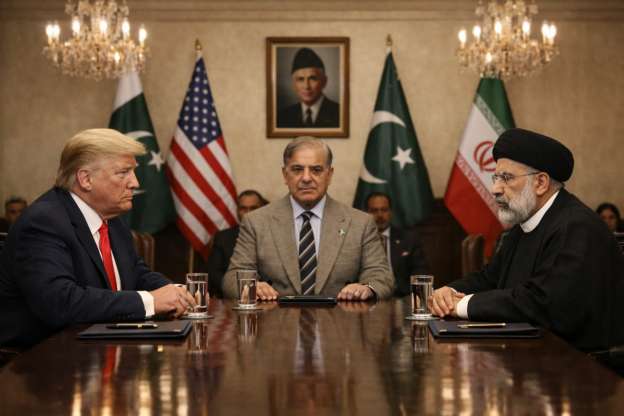
Washington, D.C/Islamabad(GGPI): The United States and Iran are expected to hold a second round of diplomatic talks following initial discussions earlier this month in Islamabad. The engagement is part of ongoing efforts to reduce regional tensions and maintain communication between the two countries at a sensitive time in Middle East politics.
The first round of talks focused on establishing a basic channel of communication between the two sides. According to diplomatic sources, the meeting was cautious but constructive, with both parties agreeing to continue dialogue despite long-standing differences. No formal agreement was reached, but the continuation of talks was seen as a positive development.
In recent remarks, former U.S. President Donald Trump commented on the situation, stating that engagement with Iran is necessary to avoid further escalation in the region. He emphasized the importance of protecting U.S. strategic interests while preventing unnecessary conflict. His statement has added political attention to the ongoing diplomatic process.
Reports suggest that the second round of talks is expected to take place soon, with Islamabad continuing to serve as a neutral venue for indirect discussions. The exact date has not yet been officially confirmed, but diplomatic preparations are underway and the process is being closely monitored by international stakeholders.
A key focus of the talks remains the possibility of reducing tensions in the region. While there is no formal ceasefire agreement, both sides are reportedly exploring ways to avoid escalation in sensitive areas where indirect conflicts and proxy tensions have increased in recent months. Any such arrangement would likely be informal and focused on preventing further deterioration of the situation.
Read More: The United States in a Shifting Global Order: Maintaining Hegemony Amid Rising Multipolarity
Another major issue under discussion is the ongoing diplomatic and economic deadlock between Washington and Tehran. The United States continues to stress concerns over Iran’s nuclear program and demands greater transparency and compliance with international monitoring standards. Iran, on the other hand, continues to call for relief from economic sanctions, arguing that these measures have severely affected its economy and trade.
Pakistan is playing a facilitating role in hosting and supporting the indirect talks. Islamabad has maintained that its role is neutral and aimed at encouraging peaceful dialogue. Pakistani officials have repeatedly stated that regional stability is in the interest of all countries involved and that diplomacy is the only sustainable path forward.
The second round of talks is expected to build on the initial framework established in the first meeting. Discussions are likely to focus on key technical and political issues, including nuclear-related concerns, sanctions, and broader regional security matters. However, officials have not yet confirmed the final agenda or timing of the next round.
Both sides remain engaged, but key differences persist; future success depends on continued negotiations and political will.
Note: Image is AI generated and for reference
About the Author: Ayesha Munir (Geopolitical Analyst and BS International Relations Student at National University of Modern Languages , Rawalpindi, Research Focus: Geopolitics of America)
Pingback: Trump Says Extension of Ceasefire with Iran "Highly Unlikely" -