
Author: Malahat Hashmi
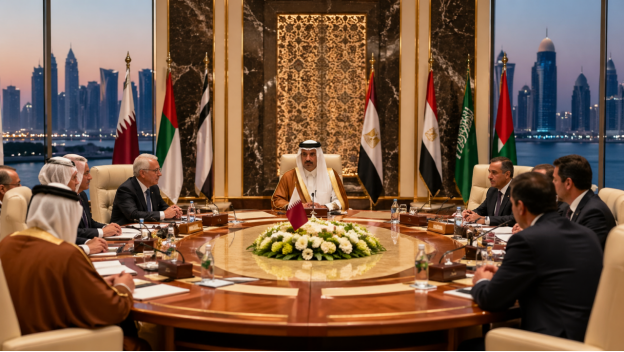
Doha, May 1, 2026 (GGPI): In a renewed effort to stabilize the Middle East, Qatar has initiated a fresh round of high-level diplomatic talks on April 30, 2026 aimed at easing ongoing regional tensions. Acting as a neutral mediator, Qatar has once again positioned itself at the center of conflict resolution, engaging multiple stakeholders in pursuit of peaceful dialogue and de-escalation.
According to officials, representatives from key regional actors have arrived in Doha to participate in discussions focusing on conflict zones, particularly the ongoing situation in Gaza Strip. The talks are expected to address critical issues such as ceasefire arrangements, humanitarian access, and potential frameworks for long-term stability. Qatar’s diplomatic initiative reflects its consistent policy of promoting negotiation over confrontation.
Qatar has previously played a significant role in mediating between Israel and Hamas, facilitating temporary ceasefires and prisoner exchanges. Analysts suggest that this latest round of talks could serve as a turning point if all parties demonstrate flexibility and commitment. The presence of international observers has further strengthened the credibility of the negotiations.
Read More: Russian Cargo Flight Network Expands Through Algeria, Strengthening Strategic Reach in Africa
Officials emphasized that the success of these talks depends heavily on mutual trust, constructive engagement, and adherence to international diplomatic norms. Qatar has reiterated its commitment to working alongside global partners, including the United Nations, to ensure that any agreements reached are sustainable and effectively implemented.
Despite cautious optimism, challenges remain significant. Deep-rooted political divisions and security concerns continue to complicate the negotiation process. However, Qatar’s proactive diplomatic engagement highlights the growing importance of regional mediation efforts in addressing complex geopolitical conflicts.
The international community has welcomed this initiative, viewing it as a positive step toward reducing tensions and fostering dialogue in a region often marked by instability. As discussions continue, attention remains focused on whether these talks will lead to tangible outcomes or merely temporary relief.
Note: Image is AI generated for reference
About the Author:
Malahat Hashmi is a Geopolitical Analyst and BS International Relations Student at National University of Modern Languages, Rawalpindi. Research Focus: Geopolitics of Middle East.