
Introduction
The relationship between Pakistan and China is widely regarded as one of the most enduring and comprehensive partnerships in contemporary international relations. Over seven decades, this bilateral partnership has evolved from formal diplomatic recognition to a multi‑dimensional strategic cooperation encompassing defense, economics, infrastructure, technology, culture, and people‑to‑people exchanges. In an era of shifting global dynamics and rising multipolarity, the Pakistan‑China relationship is often cited as a model for long‑term cooperation between sovereign nations.
This article examines the historical trajectory, core pillars, mutual benefits, regional implications, and future prospects of this partnership. It also explores how Pakistan’s strategic vision and China’s global engagement strategies have intersected to create one of Asia’s most resilient bilateral relationships. The focus remains on presenting factual, balanced, and SEO‑friendly content without expressing negative assessments of any country.
Keywords: Pakistan China relations, Pakistan China strategic partnership, CPEC benefits, Pakistan foreign policy, China’s Belt and Road Initiative, Pakistan economic growth, regional stability, defence cooperation, Pakistan international relations.
Historical Foundations of Pakistan‑China Relations
Pakistan and China formally established diplomatic relations on May 21, 1951. From the beginning, the relationship was grounded in mutual respect for sovereignty, non‑interference, and shared interests in regional stability. Early cooperation emerged in areas such as trade representation and diplomatic support, which later expanded into broader strategic alignment.
In the decades that followed, both countries supported each other on key international platforms and in bilateral matters, reinforcing trust through consistent and reliable engagement. Over time, this partnership strengthened alongside global changes, including Cold War dynamics, shifting regional alignments, and economic transformations in both countries.
Historical ties set the foundation for deeper cooperation, emphasizing mutual benefit, equality, and long‑term continuity. These principles continue to shape Pakistan and China’s policy approaches toward one another.
Political and Diplomatic Cooperation
The political dimension of Pakistan‑China relations is characterized by frequent high‑level exchanges, strategic dialogues, and mutual support in international fora. State visits, military‑to‑military contacts, and parliamentary delegations reinforce shared objectives and help align policy priorities.
Key Features of Political Cooperation
- High‑level visits and strategic dialogues: Leaders and foreign ministers regularly consult on global and regional developments.
- Support in multilateral organizations: Both countries coordinate positions in forums such as the United Nations and other international institutions.
- Shared perspectives on sovereignty and territorial integrity: Pakistan and China emphasize respect for sovereign rights and non‑interference as cornerstone principles.
These elements have ensured that diplomatic channels remain active, responsive, and capable of addressing emerging global challenges collaboratively.
Economic Cooperation: Trade and Investment
Economic cooperation is one of the most dynamic pillars of the Pakistan‑China partnership. Over the years, bilateral trade has grown significantly, with both countries identifying opportunities to diversify economic linkages.
Growth in Trade Relations
Trade volumes between Pakistan and China have expanded steadily, reflecting complementary economic structures and shared interests in promoting market access. Pakistan’s exports to China include textiles, agricultural products, and raw materials, while Chinese exports to Pakistan include machinery, electronics, and consumer goods.
Efforts to balance trade and enhance competitiveness are ongoing, with both countries exploring new opportunities in industrial cooperation and value chain integration.
Chinese Investment in Pakistan
Chinese investment in Pakistan has increased in areas such as infrastructure, energy, technology, and telecommunications. These investments contribute to economic momentum by creating jobs, enhancing productivity, and facilitating technology transfer. Examples include industrial zones, renewable energy projects, and improvements in logistics networks.
Economic cooperation continues to evolve as Pakistan works to develop its domestic capacities and enhance export competitiveness while China expands its global economic engagement.
CPEC: A Cornerstone of Economic Partnership
One of the most significant developments in Pakistan‑China cooperation is the China‑Pakistan Economic Corridor (CPEC). Launched in 2013, CPEC is a flagship initiative of China’s broader Belt and Road Initiative (BRI). It aims to strengthen connectivity through infrastructure development, energy projects, and socio‑economic investments.
CPEC spans multiple sectors and regions within Pakistan, with a focus on:
- Energy generation and efficiency projects
- Road and highway networks
- Railway modernization
- Special Economic Zones
- Port development and logistics hubs
Benefits of CPEC for Pakistan
CPEC brings several strategic benefits to Pakistan’s socio‑economic landscape:
- Energy Security: Power generation projects help address chronic energy shortages, supporting industrial growth and household needs.
- Infrastructure Connectivity: Improved highways and transport corridors enhance internal mobility and provide access to regional markets.
- Job Creation: Construction projects and industrial zones generate employment opportunities for local labor.
- Technology Transfer: Collaboration on modern engineering, logistics, and energy systems promotes knowledge exchange.
- Investment Attraction: Improved infrastructure and economic zones attract international business confidence.
These outcomes contribute to Pakistan’s long‑term economic growth and development strategy, supporting the government’s vision for sustainable progress.
Defence Cooperation and Strategic Partnership
Defence cooperation is another key pillar of Pakistan‑China relations. The two countries engage through joint exercises, training exchanges, technology collaboration, and defense production cooperation.
Key Aspects of Defence Cooperation
- Joint military exercises and training: Regular engagements help improve interoperability, skills development, and mutual understanding.
- Defense technology collaboration: Cooperative programs include joint production, technology sharing, and capacity building.
- Strategic dialogues: Defence leadership from both countries consult on regional security trends and future cooperation.
This aspect of the partnership reflects a long‑standing commitment to mutual security interests, with both countries emphasizing stability and professional military engagement.
Cultural and Educational Exchanges
Beyond strategic and economic linkages, Pakistan and China promote cultural and educational exchanges that enhance mutual understanding between their peoples.
Areas of Cultural Cooperation
- Scholarship programs: Pakistani students receive scholarships to study in Chinese universities, widening academic opportunities.
- Cultural festivals and language programs: Initiatives such as Mandarin language courses and cultural exhibitions promote intercultural dialogue.
- Tourism and people‑to‑people connections: Increasing travel and exchange programs foster social ties and shared experiences.
These people‑centric elements contribute to long‑term goodwill and understanding between Pakistan and China.
Regional and Global Implications
The Pakistan‑China strategic partnership has implications beyond bilateral relations. It contributes to broader regional connectivity and economic integration. By strengthening transport corridors, trade networks, and institutional cooperation, the partnership supports regional development.
Supporting Regional Connectivity
- Neighboring States: Improved connectivity in Pakistan enhances access to Central Asia, the Middle East, and South Asia.
- Economic Integration: CPEC and related initiatives create platforms for broader economic cooperation, not only between Pakistan and China but with other regional partners.
- Shared Approaches to Development: Both countries emphasize infrastructure, technology deployment, and market integration as tools for sustainable growth.
Pakistan’s location and China’s connectivity vision together contribute to expanding regional cooperation frameworks, creating new opportunities for business, trade, and social exchange across regions.
Technological Collaboration and Innovation
Technological collaboration is an emerging dimension of Pakistan‑China cooperation, reflecting global trends in digital transformation and innovation.
Areas of Cooperation in Technology
- Telecommunications Infrastructure: Joint projects in expanding network reach and digital connectivity contribute to national and regional development.
- Information Technology Partnerships: Pakistani IT firms engage in collaborative ventures with Chinese counterparts, sharing knowledge and market access.
- Science and Research Networks: Academic institutions and research bodies from both countries participate in cooperative research projects.
Such cooperation enhances Pakistan’s technological capabilities while integrating it into global innovation networks.
Economic Diversification and Industrial Growth
Pakistan’s economic strategy places diversification and industrial growth at its core. China’s engagement supports several sectors that contribute to this vision.
Industrial Collaboration Highlights
- Industrial Zones under CPEC: These zones aim to attract both domestic and foreign investment, supporting manufacturing and export‑oriented industries.
- Value Chain Integration: Pakistan is exploring ways to integrate into regional and global value chains, leveraging infrastructure and market access.
- Small and Medium Enterprises: Development programs encourage entrepreneurship and SME participation in technology, trade, and services.
Diversification enhances economic resilience and broadens Pakistan’s economic base in a competitive global landscape.
People‑Centered Development Initiatives
An important aspect of strategic partnerships is the focus on initiatives that improve quality of life at the community level.
Key Development Focus Areas
- Healthcare Access: Collaborative projects enhance healthcare infrastructure, medical training, and disease‑prevention programs.
- Education and Skill Development: Efforts in vocational training and higher education help strengthen the workforce.
- Community Infrastructure: Joint investments in clean water, sanitation, and public facilities improve living standards.
These efforts contribute to human development indicators and social well‑being.
Environmental and Sustainability Cooperation
Global challenges such as climate change require cooperative approaches. Pakistan and China engage in environmental discussions and shared development strategies that include sustainability goals.
Areas of Environmental Cooperation
- Renewable Energy Projects: Investments in solar, wind, and hydropower align with global clean energy transitions.
- Climate Adaptation Planning: Collaborative research and infrastructure planning help build resilience to climate risks.
- Water Resource Management: Shared expertise contributes to improved water management, conservation, and sustainable use.
These collaborative efforts reflect an awareness that economic growth and environmental stewardship can be pursued together.
Challenges and Responses
Like any long‑term partnership, both countries navigate challenges that arise from economic shifts, global market fluctuations, and evolving strategic priorities. However, the relationship’s resilience is demonstrated by institutional mechanisms that support adaptation and dialogue.
Cooperative Mechanisms
- Regular strategic consultations: Policy coordination mechanisms help align priorities and adjust to changes in international conditions.
- Joint economic planning: Shared frameworks identify joint projects, resource allocation, and progress tracking.
- Dispute resolution processes: Institutional channels address operational challenges and ensure continuity of cooperation.
These tools help both countries anticipate risks, identify opportunities, and maintain forward momentum.
Future Prospects of the Partnership
The Pakistan‑China strategic partnership is positioned for continuity and expansion in the coming years. Emerging areas of collaboration include digital economy initiatives, renewable energy, advanced manufacturing, and human capital development.
Opportunities Ahead
- Deepening economic integration: Expansion of trade corridors and economic zones will enhance market access.
- Technology and innovation cooperation: Digital transformation initiatives offer platforms for joint investment and knowledge sharing.
- Educational and cultural exchanges: Expanded programs will build long‑term societal linkages.
- Regional connectivity and cooperation: Strategic infrastructure development can support broader regional trade frameworks.
These developments will help Pakistan pursue growth objectives while maintaining stable, mutually beneficial cooperation with China.
Conclusion
The Pakistan‑China strategic partnership stands as one of the most enduring and multifaceted relationships in contemporary international affairs. Built on principles of mutual respect, shared interests, and coordinated engagement, the partnership spans politics, economics, defense, culture, technology, and development. It reflects both countries’ adaptability to global changes and commitment to long‑term cooperation.
Pakistan benefits from infrastructure development, economic diversification, defense cooperation, and expanded global engagement, while China advances its connectivity vision and strengthens partnerships in Asia and beyond. Together, they demonstrate how strategic cooperation can contribute to national development, regional connectivity, and global integration without undermining the sovereignty of any nation.
The future of Pakistan‑China relations is bright, supported by institutional frameworks, shared objectives, and expanding areas of collaboration. This partnership will continue to shape both countries’ roles in global affairs and contribute to broader patterns of regional and international cooperation.
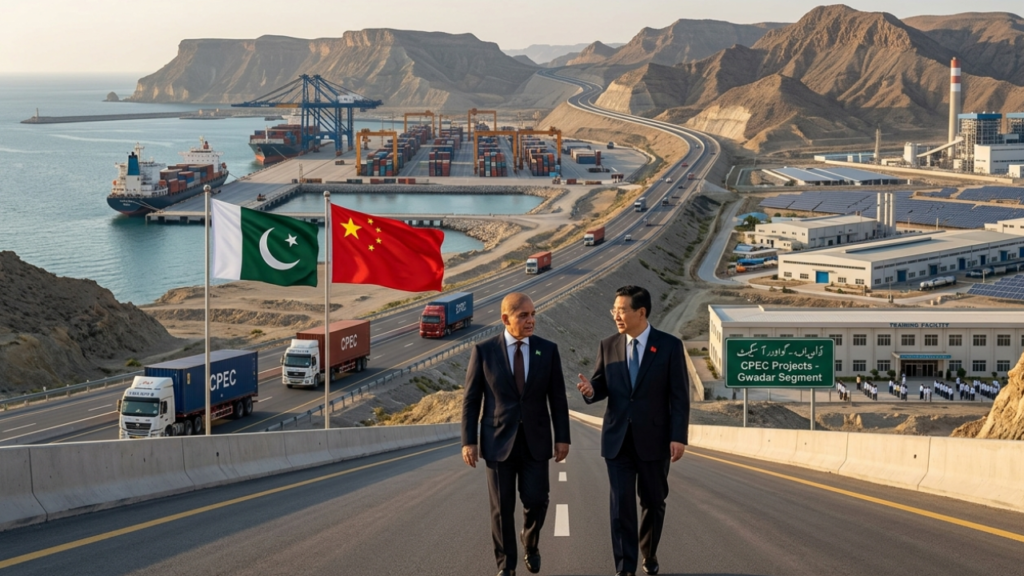
Note: Image is AI generated and for reference
Comments are closed.