
Author: Malahat Hashmi
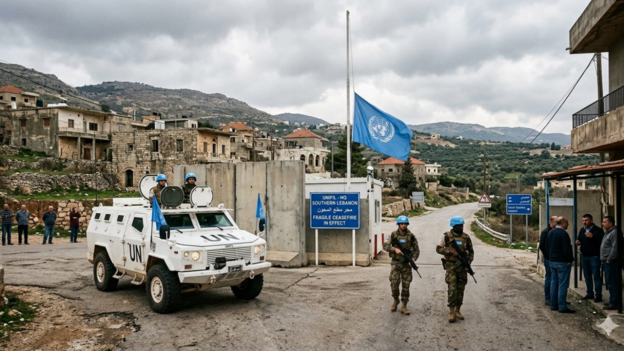
Beirut (GGPI): Southern Lebanon is witnessing renewed instability following a serious security incident on 18 April 2026, in which a United Nations Interim Force in Lebanon (UNIFIL) patrol was attacked, resulting in the death of one peacekeeper and injuries to others. The incident has intensified concerns over the already fragile ceasefire in the region.
According to international reports, the attack occurred in a volatile border area where tensions between Israeli forces and Hezbollah-linked elements have remained high in recent weeks. Although no group has officially claimed responsibility, the event has triggered strong condemnation from the United Nations and contributing countries, including France, which described the incident as unacceptable and called for accountability.
The situation on the ground remains tense, with continued reports of ceasefire violations and sporadic clashes in southern Lebanon. The fragile truce, aimed at reducing hostilities, is now under significant pressure as both security forces and armed groups maintain heightened alert positions in border regions.
Civilians in affected areas are facing severe difficulties. Many families who had previously been displaced are attempting to return to their homes, only to find extensive destruction of infrastructure, including damaged roads, buildings, and essential services. Humanitarian organizations report that access to affected communities remains limited due to ongoing security risks.
Lebanon’s broader humanitarian situation continues to deteriorate, with thousands of people still displaced and dependent on aid. Hospitals and relief centers are operating under strain, while shortages of basic necessities are increasingly reported in southern districts.
The economic crisis in Lebanon further deepens the impact of the conflict. The country is already struggling with inflation, unemployment, and financial instability, and the renewed violence has worsened living conditions for many citizens.
Read More: Iran Stands Firm: No Reopening of Strait of Hormuz Until U.S. Naval Presence Ends
International observers have warned that without immediate de-escalation and strict adherence to ceasefire agreements, the situation could further destabilize the region. The United Nations has urged all parties to exercise restraint, protect peacekeeping personnel, and return to diplomatic engagement to avoid further escalation.
As investigations into the UNIFIL attack continue, the situation remains highly sensitive, with regional and international attention focused on preventing further deterioration of peace and security in southern Lebanon.
Note: Image is AI generated and for reference
About the Author: Malahat Hashmi is a Geopolitical Analyst and BS International Relations student at National University of Modern Languages , Rawalpindi, Research Focus: Geopolitics of Middle East