
Author: Ayesha Munir
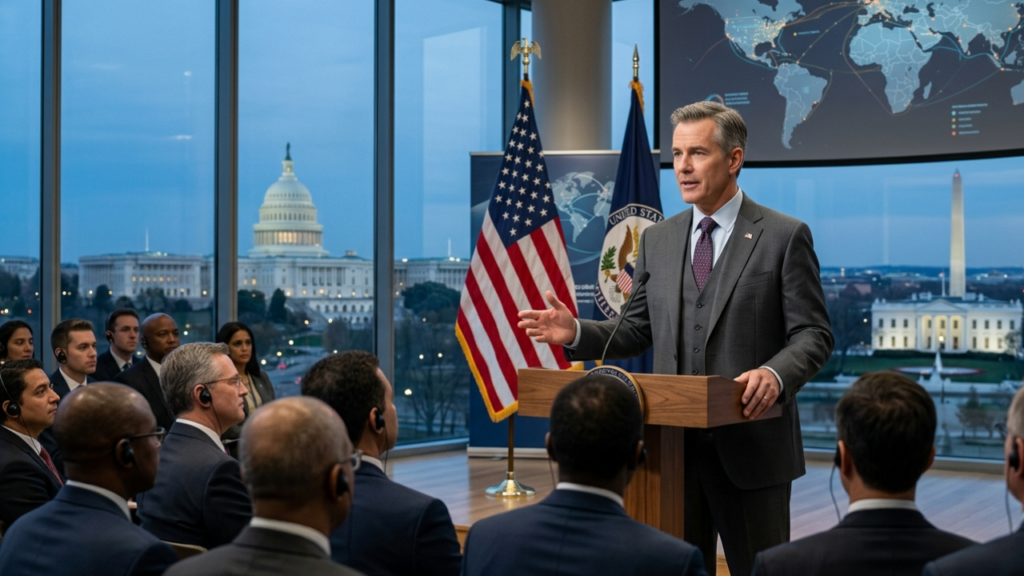
Washington, D.C. 24 April 2026(GGPI): On April 23, 2026, the United States has signalled its willingness to support diplomatic efforts aimed at de-escalating tensions along the Lebanon–Israel border. This development comes amid heightened concerns regarding the stability of the fragile ceasefire between the two sides, as well as broader regional instability
Tensions intensified on 22 April 2026, with reports of ceasefire violations, cross-border fire, and increased military activity in southern Lebanon. These developments heightened international concern and created urgency for immediate diplomatic engagement, setting the stage for the Washington talks held the following day.
The meeting reflects Washington’s continued commitment to diplomatic engagement in the Middle East and its broader objective of maintaining regional stability. Senior U.S. officials facilitated the discussions, emphasizing the importance of restraint, de-escalation, and sustained dialogue between both parties. While full details of the meeting have not been publicly disclosed, the primary focus remained on exploring options for extending the current ceasefire arrangement.
Read More: Kosovo–Serbia Tensions Continue Amid Security Concerns in Northern Kosovo
Recent incidents along the Lebanon–Israel border have contributed to a volatile security environment. Intermittent exchanges of fire and reported violations of the ceasefire have raised fears of a wider conflict. In addition to security concerns, the situation has also intensified humanitarian challenges, particularly for civilians living in border regions who remain at risk of displacement and disruption.
Lebanon has actively sought international support to preserve the ceasefire and reduce hostilities, underlining the need for continued diplomatic intervention. Israel, meanwhile, has reiterated its security concerns, especially regarding the presence of armed groups near its northern border. These differing priorities highlight the complexity of the situation and the challenges facing ongoing diplomatic efforts.
The United States has called on all sides to exercise restraint and has reaffirmed that diplomacy remains the most effective path toward stability. Officials stressed that maintaining the ceasefire is essential to preventing further escalation and creating conditions for long-term conflict resolution. Although no formal agreement or joint statement has been announced, diplomatic engagement is expected to continue in the coming days.
The situation also unfolds within a broader regional context, where tensions involving Iran continue to influence Middle Eastern security dynamics. Analysts note that developments in southern Lebanon are closely linked to wider geopolitical rivalries and proxy alignments, further complicating efforts to achieve lasting peace.
As the ceasefire deadline approaches, the outcome of these diplomatic efforts remains uncertain. However, the talks held on 23 April represent a significant step toward de-escalation and reinforce international commitment to stability in the region. Continued engagement by the United States and its partners will be crucial in ensuring that diplomatic channels remain active and effective.
The United States remains committed to supporting peaceful solutions and working with regional and international stakeholders to promote long-term security and stability in the Middle East.
Note: Image is AI generated and for reference.
About the Author:
Ayesha Munir is a Geopolitical Analyst and BS International Relations student National University of Modern Languages, Rawalpindi, Research Focus: Geopolitics of America
Pingback: Myanmar’s Military Expands Control as Martial Law Spreads Across 60 Townships -