
Author: Amna Masood
Pristina/Belgrade, April 24, 2026 (GGPI): In the past hours, tensions between Kosovo and Serbia have remained elevated, reflecting ongoing instability in the Balkan region and persistent geopolitical friction between the two sides.
The situation has been particularly tense in northern Kosovo, where local Serb communities have continued to resist administrative measures imposed by Pristina. Reports indicate that disputes over governance, identity documentation, and institutional authority remain central to the unrest. Kosovo authorities have maintained a heightened police presence in key municipalities to enforce state control and prevent escalation.
Read More: US Senate Advances $70 Billion Funding Plan for ICE, Border Patrol Amid Political Standoff
In response, Serbian leadership has reiterated its non-recognition of Kosovo’s independence and expressed concern over the security and rights of ethnic Serbs in the region. Belgrade has called for restraint and urged international actors to ensure the protection of Serb communities, framing recent developments as destabilizing and unilateral.
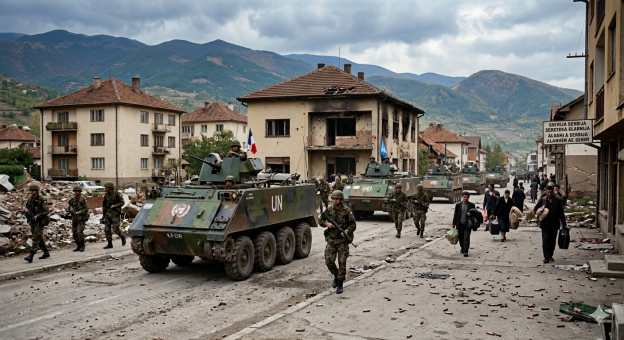
The NATO-led KFOR peacekeeping mission continues to play a critical role in maintaining stability. Over the last 24 hours, KFOR forces have increased patrols and monitoring activities to deter potential violence. While no major armed clashes have been reported, the risk of localized confrontations remains significant.
Diplomatic engagement led by the European Union has continued, though progress remains limited. Both parties maintain firm positions on key issues, including sovereignty, autonomy arrangements, and governance in contested areas. Efforts to revive dialogue have yet to yield tangible outcomes.
From a geopolitical perspective, the Kosovo–Serbia dispute reflects enduring ethnic divisions and unresolved post-conflict legacies in Europe. It also highlights the continued importance of international peacekeeping and mediation in preventing escalation.
The persistence of tensions underscores the fragile nature of stability in the Balkans, where historical grievances and strategic interests continue to shape regional dynamics.
Note: Image is AI Generated and for Reference
About the Author:
Amna Masood is a Geopolitical Analyst and BS International Relations student National University of Modern Languages, Rawalpindi, Research Focus: Geopolitics of Europe
Pingback: U.S. Hosts High-Level Diplomatic Talks Amid Rising Lebanon–Israel Tensions -