
Author: Malahat Hashmi
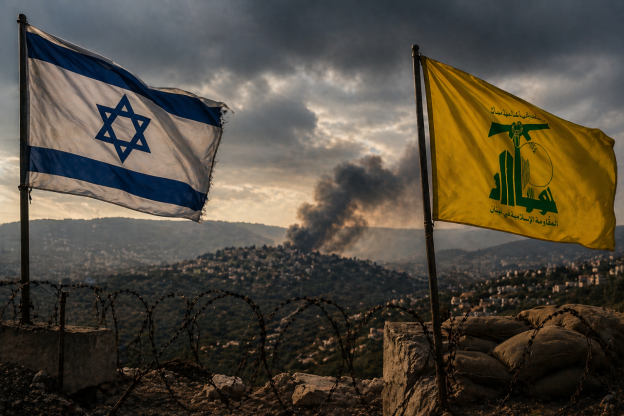
Beirut/Tel Aviv, April 23, 2026 (GGPI): Tensions between Israel Defense Forces and Hezbollah have intensified along the southern Lebanon front, underscoring the fragile nature of the current ceasefire and the persistence of regional instability. Despite ongoing diplomatic efforts, repeated violations and mutual accusations continue to erode trust between the two sides.
Recent reports indicate an uptick in cross-border shelling, aerial surveillance, and limited armed exchanges. Both parties have blamed each other for breaching ceasefire terms, sustaining a cycle of retaliation that places civilian populations at significant risk. Military readiness on both sides suggests a cautious but clear preparation for potential escalation.
The situation is further shaped by the broader geopolitical rivalry involving Iran and Israel. Hezbollah’s alignment with Iran situates the conflict within a wider proxy framework, amplifying the stakes and increasing the likelihood that localized clashes could expand into a broader confrontation.
From a theoretical perspective, the tensions reflect Realist dynamics, where security concerns, deterrence, and power balancing dominate behavior. At the same time, the existence of ceasefire arrangements highlights elements of Liberal institutionalism, though these mechanisms remain limited in effectiveness amid persistent violations.
Read More: Pakistan Calls for Respect of Libya’s Sovereignty, Emphasizes Libyan-Led Dialogue at UNSC
Humanitarian risks are also rising. Southern Lebanon faces potential displacement, infrastructure damage, and economic strain, adding to the country’s ongoing political and financial challenges. The limited capacity of the Lebanese state to fully control non-state actors further complicates stabilization efforts.
Strategically, the Lebanon front remains a key flashpoint in the Middle East. Even minor incidents carry the potential for wider escalation due to the interconnected nature of regional conflicts. As ceasefire conditions continue to weaken, the Israel–Hezbollah standoff reflects an unstable equilibrium where conflict is contained but far from resolved.
Note: Image is AI generated and for reference
About the Author:
Malahat Hashmi is a Geopolitical Analyst and BS International Relations student at National University of Modern Languages, Rawalpindi, Research Focus: Geopolitics of Middle East
Pingback: US Senate Advances $70 Billion Funding Plan for ICE, Border Patrol Amid Political Standoff -