
Author: Ayesha Munir
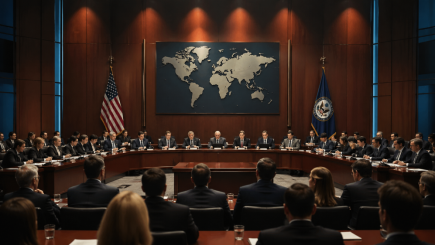
Washington, D.C., April 29, 2026 (GGPI): The Office of the United States Trade Representative (USTR) is convening public hearings on April 28–29, 2026, as part of a Section 301 investigation into forced labor-related trade practices in global supply chains. The hearings represent a formal step in the United States’ broader trade policy framework aimed at ensuring that imported goods comply with recognized labor standards.
The proceedings bring together a range of stakeholders, including government officials, industry representatives, labor organizations, and civil society groups. Participants are invited to present evidence, share perspectives, and provide recommendations concerning the potential use of forced labor in the production of goods entering the United States market. The hearings are being conducted in accordance with established procedures for transparency and public participation in trade-related decision-making.
According to USTR officials, the review covers multiple sectors and geographic regions, reflecting the complexity of modern supply chains. While specific cases are subject to ongoing evaluation, the scope of the inquiry may include sectors such as textiles, agricultural goods, and industrial components. The hearings are also intended to assess existing enforcement mechanisms and identify areas where additional measures may be required.
Read More: Taiwan Emerges as Top Priority in Upcoming Trump–Xi Talks
The United States has emphasized that its approach is guided by both legal obligations and policy commitments related to labor rights. Federal statutes prohibit the importation of goods produced wholly or in part by forced labor. In this context, the current hearings serve as an opportunity to gather updated information and evaluate whether further regulatory or enforcement actions are warranted.
Officials noted that the process applies broadly across multiple trading partners and is not limited to a single country, reflecting the global nature of the issue. The review may include submissions related to a wide range of jurisdictions, underscoring the complexity and international scope of forced labor concerns. The objective is to ensure consistency in the application of trade laws while supporting fair competition and responsible sourcing practices.
Following the conclusion of the hearings, the USTR will review the submitted materials and testimonies. Findings from the process may inform future policy decisions, including potential adjustments to import controls, compliance requirements, or interagency coordination efforts. Any subsequent actions will be taken in accordance with U.S. law and in consultation with relevant stakeholders.
The hearings reflect the United States’ continued engagement on labor issues within the context of international trade. By facilitating open dialogue and evidence-based review, the process aims to strengthen the integrity of supply chains and uphold established standards for lawful and ethical production.
Note: Image is AI generated and for reference.
About the Author:
Ayesha Munir is a Geopolitical Analyst and BS International Relations student at National University of Modern Languages, Rawalpindi, Research Focus: Geopolitics of America