
Author: Ayesha Tahir
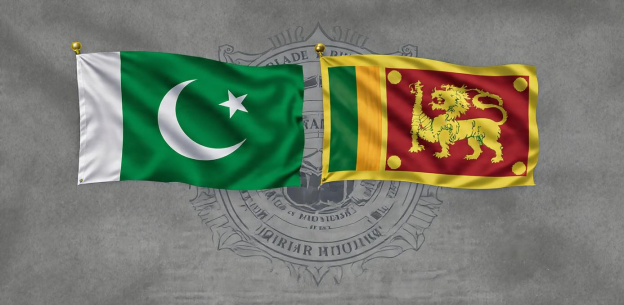
Islamabad, April 29, 2026 (GGPI): Troops from the Pakistan Army and the Sri Lankan Army have officially commenced the bilateral joint counter-terrorism exercise, “Shake Hands-II,” at the Special Operations School in Tarbela. The two-week-long training program began on April 27 and is designed to further solidify the longstanding military-to-military cooperation between the two brotherly nations.
The opening ceremony was attended by senior military officials from both sides. The exercise features elite contingents from the Pakistan Army’s Special Services Group and Special Forces of the Sri Lankan Army, including a dedicated team of 8 officers and 37 other ranks led by Lieutenant Colonel T.M.D. Tennakoon.
Read More: Renewed Clashes in Syria Highlight Fragile Security Situation
According to the Inter-Services Public Relations, the primary objective of “Shake Hands-II” is to enhance professional capabilities through joint training and to refine tactical proficiency in diverse counter-insurgency and counter-terrorism scenarios. The exercise focuses on:
- Interoperability: Improving the ability of both Special Forces to operate together in complex security environments.
- Knowledge Sharing: Exchanging operational experiences and modern battlefield expertise gained from their respective counter-terrorism efforts.
- Tactical Drills: Refining procedures for urban warfare, hostage rescue, and intelligence-led operations.
This exercise follows the success of the inaugural “Shake Hands” and underscores the evolving defense partnership between Islamabad and Colombo. Beyond technical drills, “Shake Hands-II” serves as a platform to foster mutual understanding and spirit de corps between the personnel of both armies.
Military authorities highlighted that such engagements are vital for regional peace and security, as they enable both nations to address shared security challenges through a common strategic framework. The exercise is scheduled to conclude on May 10, 2026.
The impact of Exercise Shake Hands-II extends far beyond tactical proficiency, serving as a strategic cornerstone for regional stability and diplomatic synergy. By harmonizing the operational doctrines of two of South Asia’s most battle-hardened militaries, the exercise creates a unified front against non-state actors and transnational security threats. For Sri Lanka, it offers continued access to Pakistan’s extensive counter-insurgency expertise, while for Pakistan, it reinforces its role as a pivotal security partner in the Indian Ocean Region. Ultimately, this collaboration fosters a high degree of interoperability, ensuring that both nations can contribute effectively to a more secure and predictable security architecture in the region.
Note: Image is AI generated for reference
About the Author:
Ayesha Tahir is a Student of BS International Relations at NUML Rawalpindi, Research focus: Defense and Strategic Studies.