
Author: Muhammad Zain
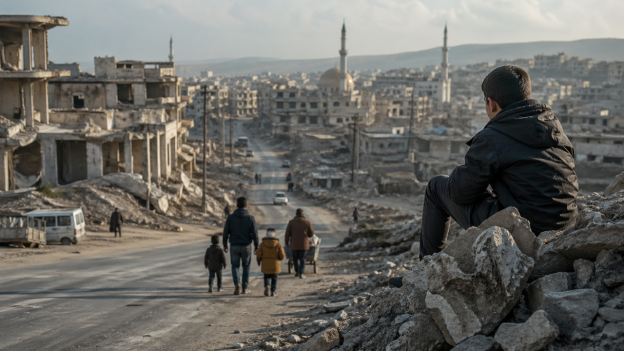
Damascus, April 28, 2026(GGPI): The security situation in Syria has deteriorated once again, as renewed clashes reported in the past 20 hours underscore the country’s ongoing instability. Despite years of conflict and intermittent ceasefire attempts, the situation on the ground remains highly volatile.
Recent reports indicate intensified fighting between government forces and opposition groups in several key areas. In addition, sporadic activity involving extremist elements has further complicated the security environment. These developments highlight the fragile nature of existing ceasefire arrangements and the persistent risk of escalation.
The Syrian conflict, which began in 2011, has evolved into a prolonged and complex geopolitical crisis involving multiple internal and external actors. Foreign involvement continues to play a major role, with various states supporting different factions, thereby prolonging the conflict and complicating peace efforts.
Humanitarian conditions remain severe as ongoing violence disrupts access to essential services. Millions of civilians continue to face displacement, while shortages of food, healthcare, and shelter persist. Aid organizations have repeatedly called for immediate ceasefires and improved humanitarian access to affected populations.
The latest escalation has also raised concerns about potential regional spillover effects. Instability in Syria has historically impacted neighboring countries through refugee flows and security challenges. Renewed violence could further strain regional resources and undermine ongoing diplomatic initiatives.
Read More: Saudi Arabia Expands Diplomatic Engagement to Stabilize Regional Tensions
Efforts to achieve a political settlement have made limited progress. While international negotiations have taken place, disagreements among key stakeholders have prevented meaningful breakthroughs. The lack of a unified strategy continues to delay a comprehensive resolution to the conflict.
Experts emphasize that a sustainable solution will require coordinated international cooperation and genuine commitment from all parties involved. Military approaches alone are unlikely to address the underlying political, social, and economic factors driving the conflict.
In conclusion, the resurgence of violence in Syria serves as a stark reminder of the unresolved nature of the crisis. It highlights the urgent need for renewed diplomatic efforts, inclusive dialogue, and a stronger focus on humanitarian priorities to achieve lasting peace.
About the Author:
Muhammad Zain is a Geopolitical Analyst and BS International Relations Student at National University of Modern Languages, Rawalpindi, Research Focus: Geopolitics of Middle East