
Author: Hadiya Zainab
Bandar Seri Begawan, April 28, 2026 (GGPI): The European Union has called on Southeast Asian regions to avoid increasing their reliance on Russian oil as the global energy market faces crisis due to the Iran-US tensions and its implications on the Strait of Hormuz. The appeal comes from European Union’s policy chief Kaja Kallas. She explains that purchasing energy forms from Russia undermines the greater effort of constraining the Russian war against Moscow which is mostly funded by the energy revenues.
Russia has benefitted largely from the US-Iran tensions, the closure of Strait of Hormuz which has previously been responsible for providing trade routes to 20% of the world’s energies.
In contrast, the Southeast Asian countries, which also happen to be middle-income countries have their priorities someplace else. In this time of rising prices and uncertain global trade situation, Asian countries are driven by a reliable and a cost efficient supply of energy.
Read More: Bahrain Revokes Citizenship of 69 Individuals Amid Rising Regional Tensions
This situation highlights the significance of trade routes and regulation of the energy, not only for the benefit of economies but affects international diplomatic efforts as well. As global energy markets continue to be affected by ongoing conflicts and sanctions, the difference between what Europe expects and what Asian countries actually need may grow larger. This could not only affect how well sanctions on Russia work, but also influence how energy is managed and controlled in a world that is becoming more divided.
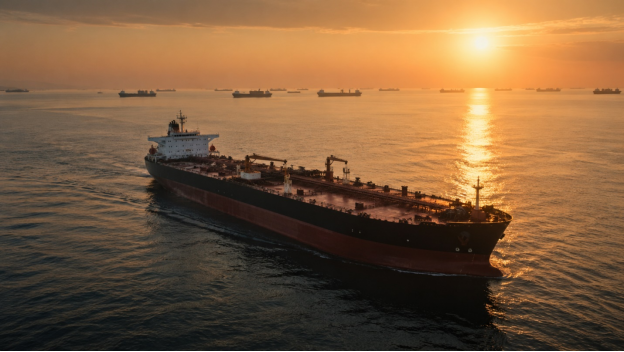
Note: The image is AI generated and only for reference
About the Author:
Hadiya Zainab is a BS International Relations student at the National University of Modern Languages (NUML), Rawalpindi, and a Research Fellow at Global Geopolitical Insight. Her research interests focus on defence studies, regional security, and contemporary geopolitical dynamics, with a particular emphasis on Asia.